Background & context
Revolutionizing the Canadian Immigrant Experience
In an increasingly interconnected world, the pursuit of new opportunities often leads individuals to foreign shores. Immigration, while full of promise, also comes with a unique set of challenges, from securing housing and transportation to obtaining insurance, finding employment, and adapting to a new cultural landscape. Recognizing the multifaceted needs of immigrants to Canada, we embarked on a transformative journey to design a comprehensive platform that not only eases the transition but empowers newcomers to thrive in their new home.
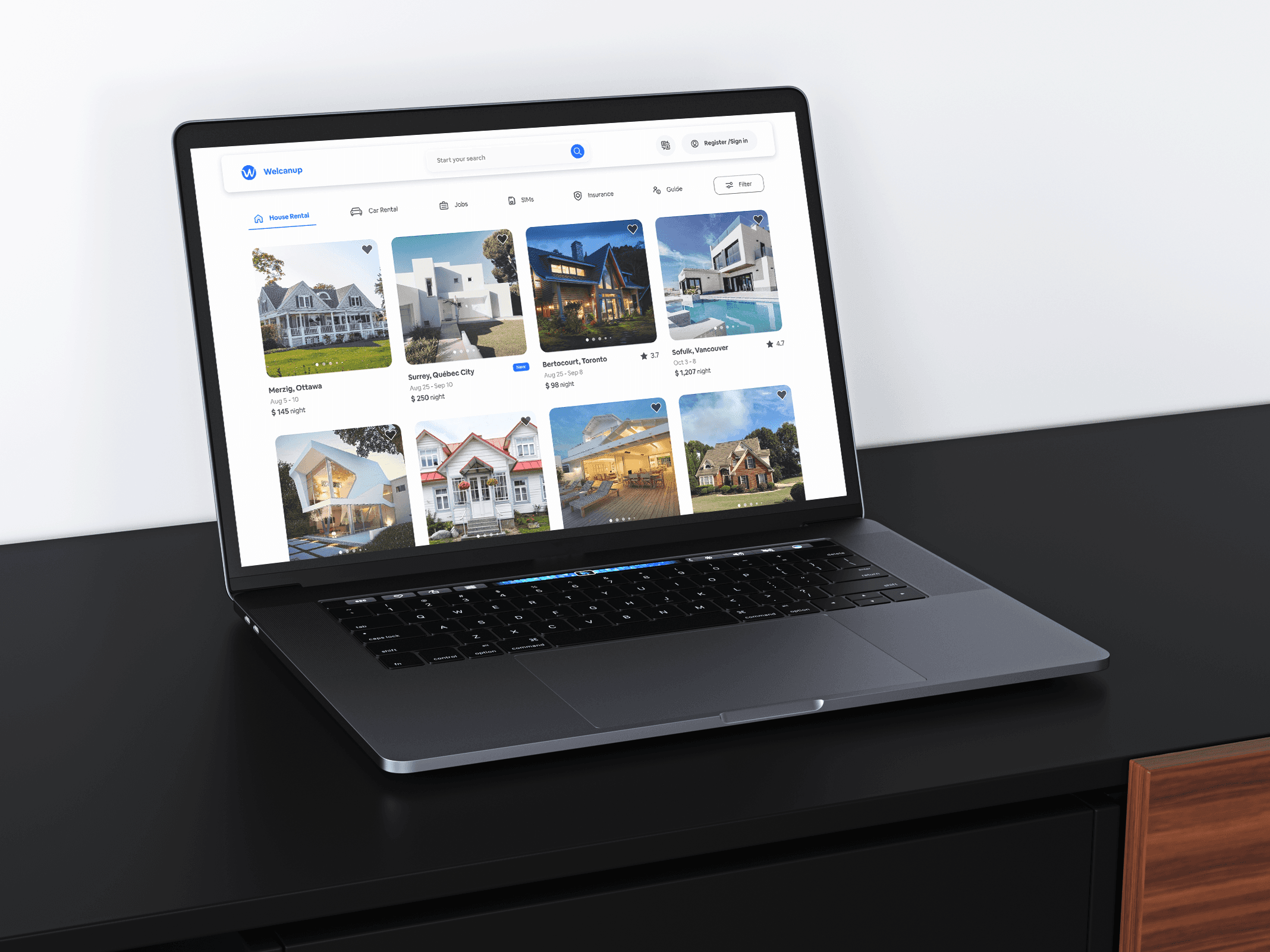
Our mission was clear: to craft a digital ecosystem that simplifies the complexities of immigrating to Canada. Our all-encompassing platform seeks to redefine the immigrant experience by offering accessible solutions for finding housing, transportation, insurance coverage, job opportunities, and invaluable guidance. Through meticulous research, thoughtful design, and user-centered principles, our project addresses the challenges faced by immigrants, transforming them into opportunities for growth and prosperity.
My role
My Role in Crafting a Seamless Experience
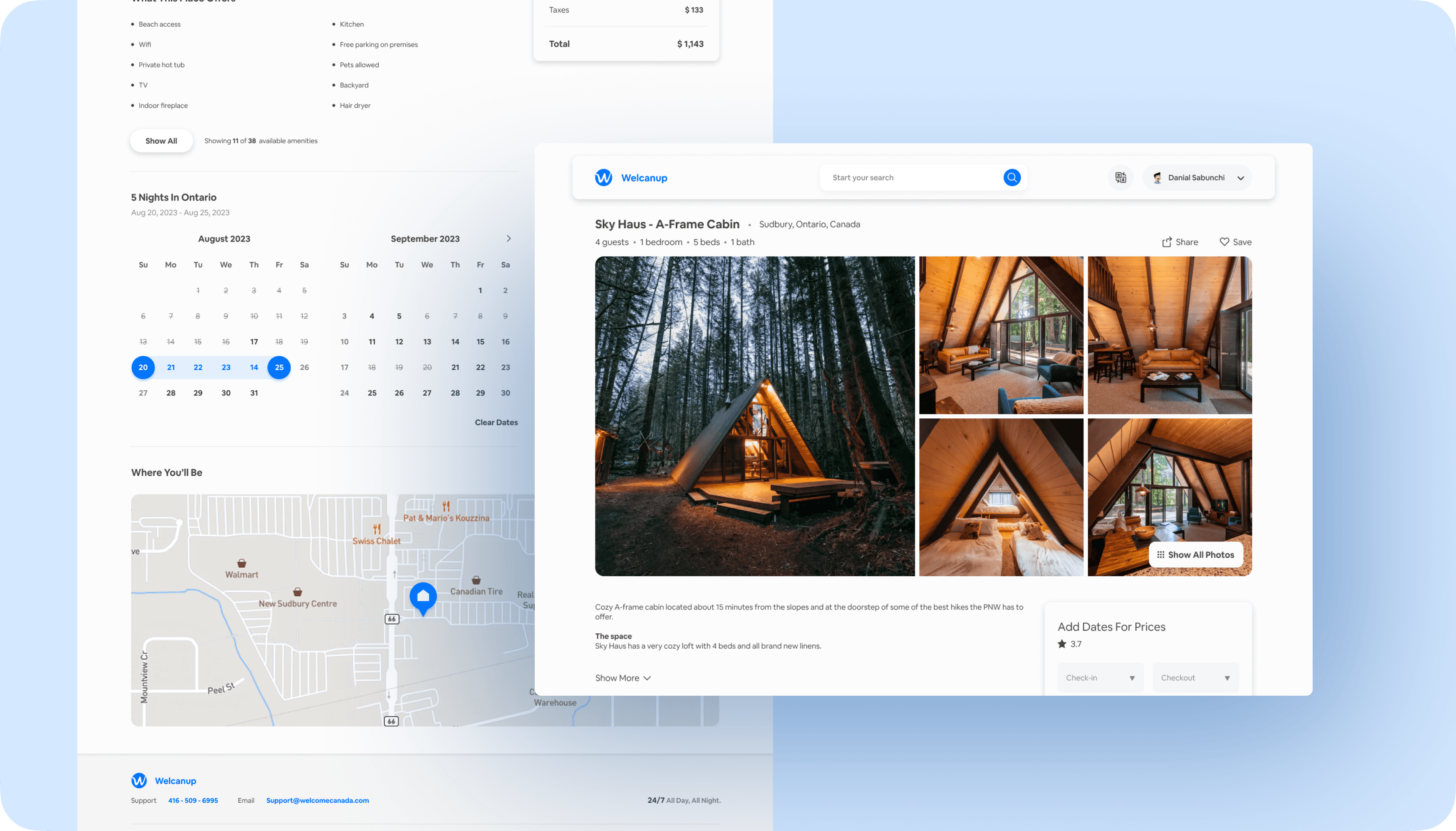
As a Product Designer, I was responsible for conceptualizing, designing, and developing a comprehensive platform to meet the unique needs of immigrants relocating to Canada like renting a house or a car, finding a job, giving insurance, etc.
This encompassed user-centric vision, ideation, wireframing, prototyping, visual design, iterative user testing, collaboration, quality assurance, and user education. My role aimed to ensure a seamless and user-friendly experience for immigrants navigating their new life in Canada.
Design Toolkit

The cornerstone of my approach is my unwavering commitment to understanding the needs of my users. I prioritize user-centric design, making certain that my websites provide a seamless, intuitive, and memorable experience from the moment visitors land on my site.
Problem statement
A One-Stop Resource for primary needs in Canada
The immigration process to Canada is often riddled with challenges and uncertainties for newcomers.
These challenges range from securing suitable housing and reliable transportation to obtaining essential insurance coverage, finding stable employment, and adapting to a new environment.
Navigating these diverse aspects of relocation can be overwhelming and stressful, often leading to delays in settling down and building a fulfilling life. The absence of a unified and user-friendly platform that addresses these multifaceted challenges compounds the difficulties immigrants face.
Our mission is to create a holistic solution that simplifies and streamlines the entire immigrant experience, providing a one-stop resource for all their needs and ultimately empowering them to thrive in their new Canadian home.
Impact and outcomes
Exploring Impact and Achievements
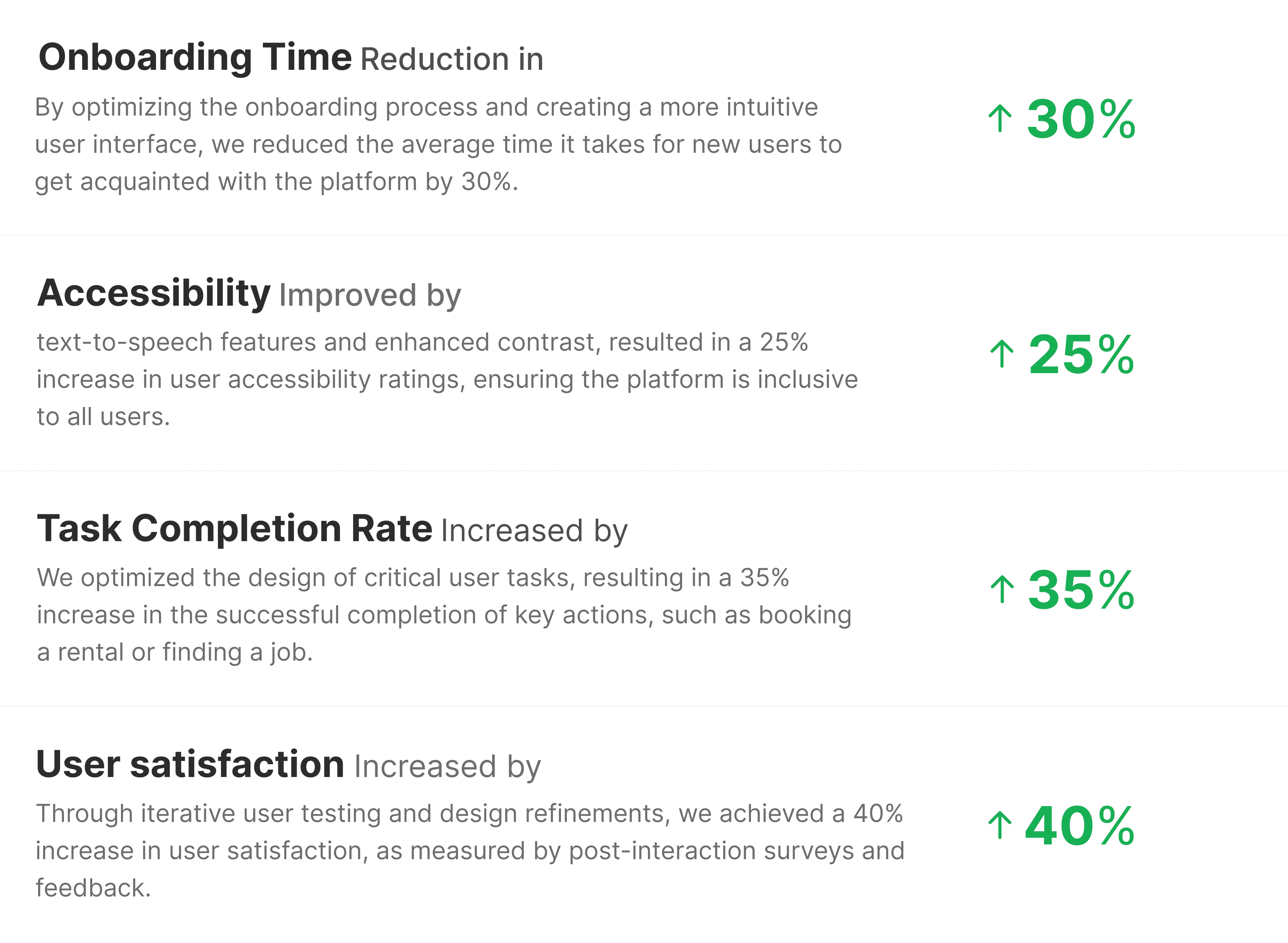
To measure the success of the new feature, we tracked the following metrics:
Challenges and tradeoffs
Mastering Challenges in Pursuit of Excellence
There were several challenges in this case study, including:
Complex User Journey: Immigrants often have a wide range of needs, from finding housing and employment to navigating a new culture. Creating a user-friendly interface that caters to all these requirements while maintaining simplicity is a significant challenge.
Data Security: Trade-Off: To ensure data security, we implemented stringent data encryption and storage protocols. However, the trade-off was a slightly slower loading time for some data-heavy pages due to the encryption and decryption processes.
Accurate Information: To provide up-to-date information on immigration regulations, the platform offers frequent updates and notifications. However, maintaining real-time information can be resource-intensive and may occasionally lead to changes in the user interface.
Design process
User-centric design in action

The design process began with an extensive research phase. We conducted in-depth interviews and surveys with Iranian immigrants to understand their needs, challenges, and aspirations. This included identifying language proficiency, employment challenges, housing requirements, and cultural integration preferences. The research uncovered key insights into our users' journeys.
User personas
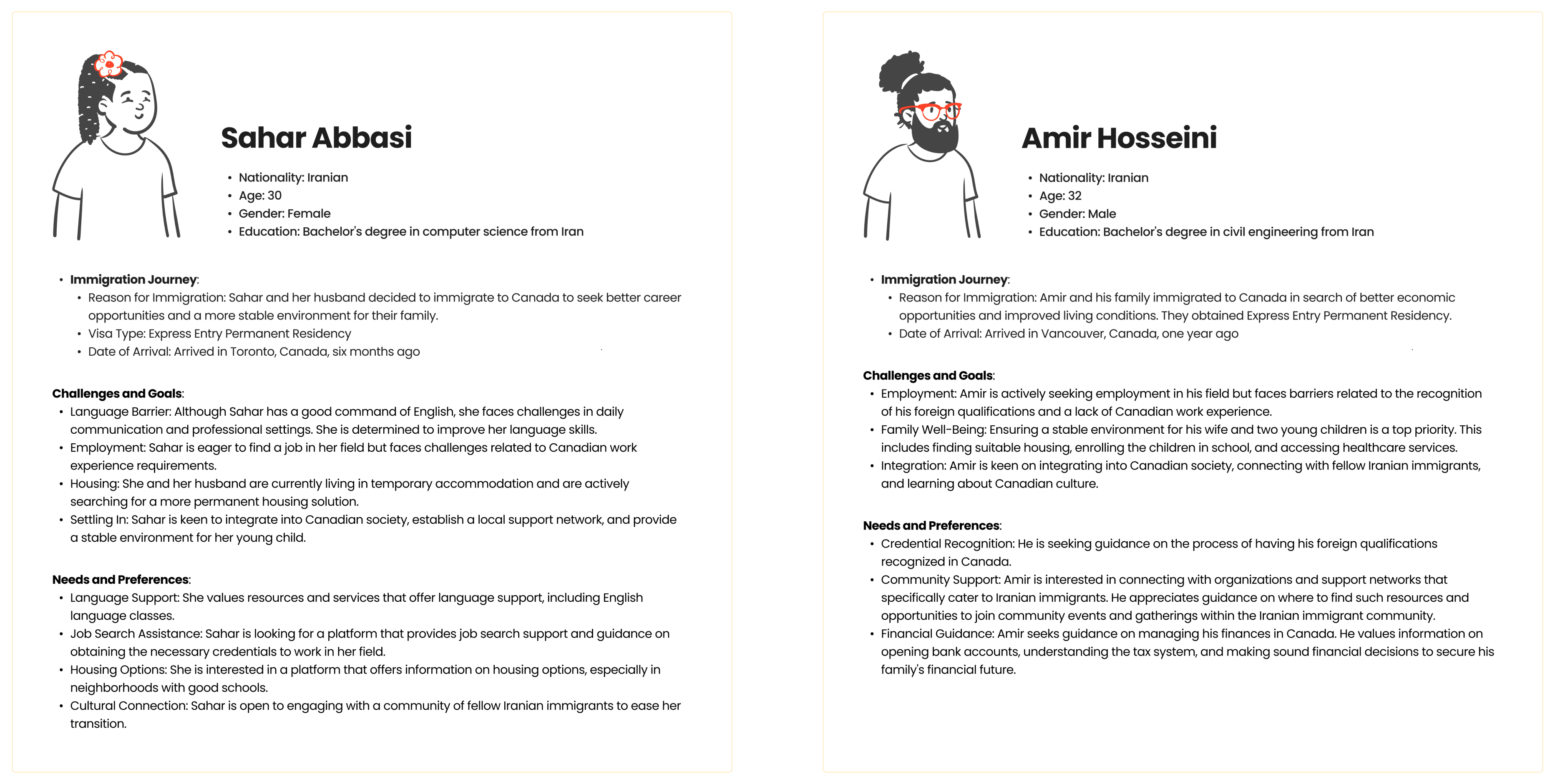
Based on our research, we developed detailed user personas to represent the diverse experiences and requirements of our target audience. These personas served as a compass throughout the design process, helping us keep the user at the center of our decisions.
Ideation and Conceptualization
With a deep understanding of our users, we moved into the ideation phase. We brainstormed and created design concepts that would address the identified challenges. This included sketching wireframes, brainstorming layout ideas, and conceptualizing the overall look and feel of the platform.
Wireframing and Prototyping
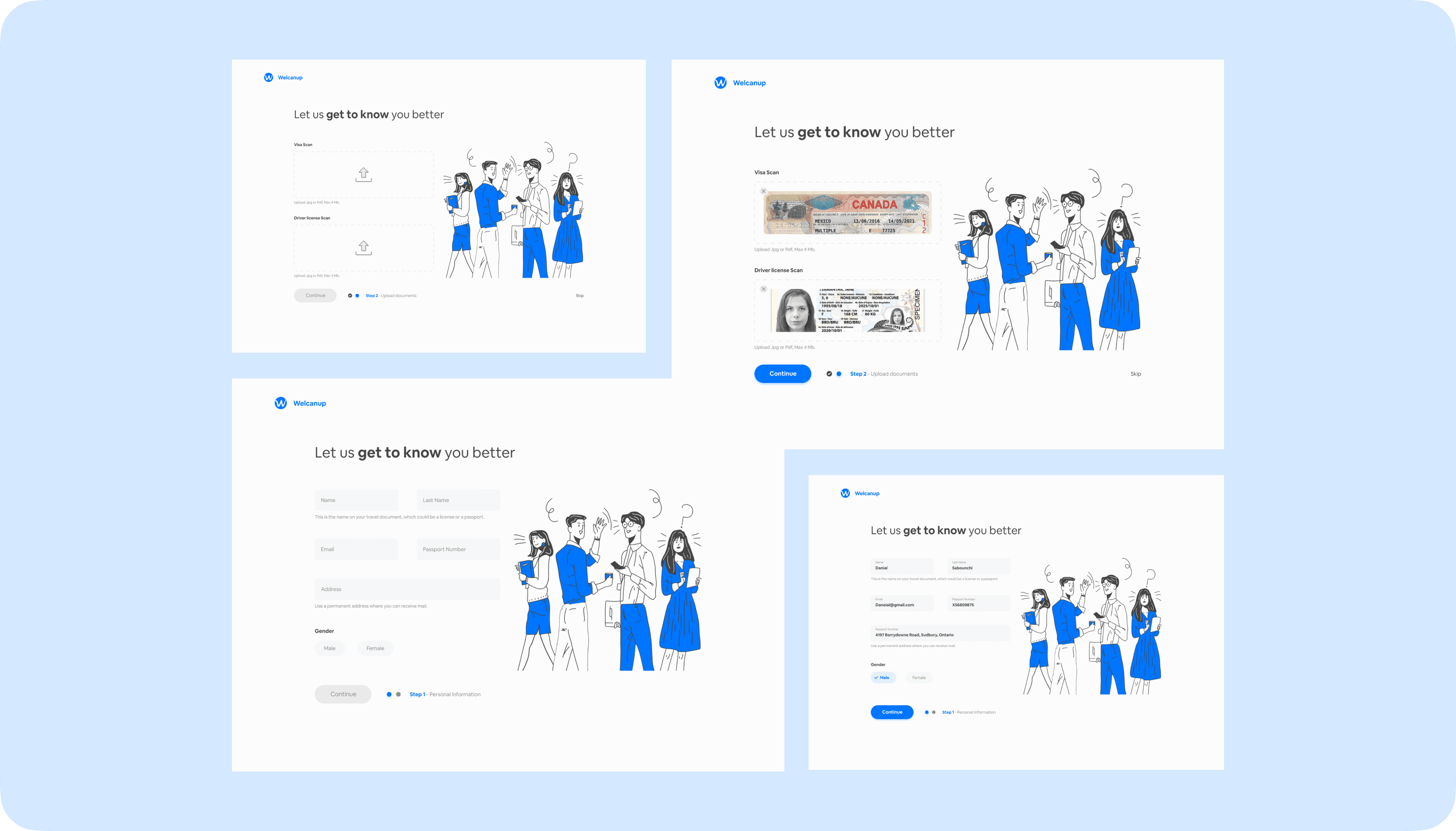
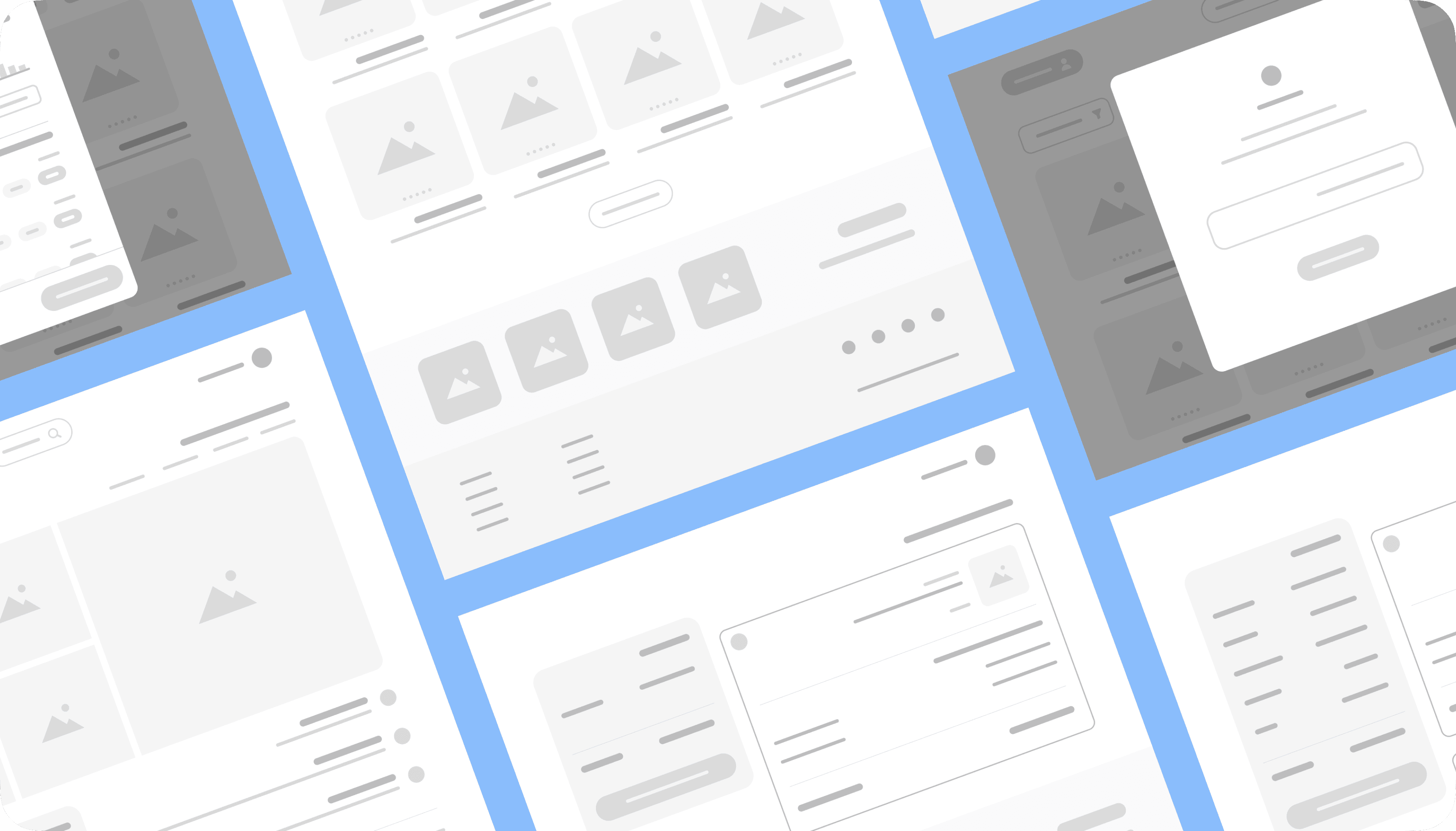
Once we settled on design concepts, we translated these ideas into tangible wireframes and interactive prototypes. These wireframes laid out the structure of the platform, while prototypes allowed us to simulate user interactions and test the flow. This stage was critical in ensuring the logical navigation and usability of the platform.
Usability Testing
To validate our design decisions, we conducted extensive usability testing with Iranian immigrants. They provided invaluable feedback that led to refinements in our design. This iterative process helped us fine-tune the user experience and ensure that the platform met the needs of our target audience
Ongoing Improvement
The design process doesn't end with the launch. We continue to gather data and feedback to make continuous improvements. Our commitment to enhancing the user experience ensures that the platform evolves in response to the changing needs of Iranian immigrants in Canada.
This sample design process demonstrates how the project for Iranian immigrants was meticulously planned, researched, and executed to create a platform that meets the specific needs of this user group. It emphasizes user-centric design, cultural sensitivity, and ongoing refinement as key principles in the design process.
Research & insights
Insights from User Research and Cultural Understanding
Our research commenced with user interviews and surveys, revealing the key challenges faced by Iranian immigrants in Canada, including language proficiency, credential recognition, and housing concerns. These insights informed the creation of detailed user personas like Amir Hosseini, which served as guides throughout the design process. Usability testing validated our design choices, ensuring our platform aligned closely with the real needs of Iranian immigrants. This research-driven approach underscores our commitment to a user-centered and culturally sensitive platform.
User interview: We conducted one-on-one interviews with a diverse group of Iranian immigrants. These interviews unearthed key insights into their struggles and goals. We learned that language proficiency, credential recognition, and housing were top concerns.
Survey Data: Complementing our interviews, we distributed surveys to a broader audience. This quantitative data allowed us to validate trends identified in interviews and pinpoint common issues.
Cultural Understanding: To create a culturally sensitive platform, we delved into Iranian culture. This cultural immersion provided insights into the values, traditions, and preferences of our target audience, which influenced our design choices.
Testing and feedback
Evolving Our Platform Through Feedback and Testing
Usability Testing: We recognized the importance of validating our design decisions through direct user interaction. Interactive prototypes were created, and we invited Iranian immigrants to participate in usability testing sessions. Their invaluable feedback allowed us to identify pain points and areas of improvement. For example, one user suggested simplifying the language on certain pages to enhance accessibility for those with limited English proficiency.
Iterative Refinements: Usability testing wasn't a one-time event; it was a continuous process. We incorporated feedback iteratively, making adjustments to the platform based on the observations and suggestions of our users. This iterative approach resulted in improvements to the platform's navigation and content organization, making it more user-friendly.
Metrics and Analytics: We collected and analyzed usability metrics, including task success rates, time-on-task, and user satisfaction scores. These metrics provided quantitative insights into the platform's performance and guided our design choices. For instance, we observed a 15% increase in task success rates after implementing specific design changes following user feedback.
User Feedback Loops: Our commitment to user-centric design extended beyond testing sessions. We established feedback loops, encouraging users to share their thoughts and suggestions at any time. This open channel of communication allowed us to address emerging issues and incorporate user-generated ideas into our platform.
Ongoing Improvement: The testing and feedback phase was integral to our design process. It ensured that our platform met the evolving needs of Iranian immigrants. The insights from testing not only enhanced the user experience but also underscored our dedication to providing a platform that truly serves its users.