Background & context
Enhancing parent-child relationships through innovative program design
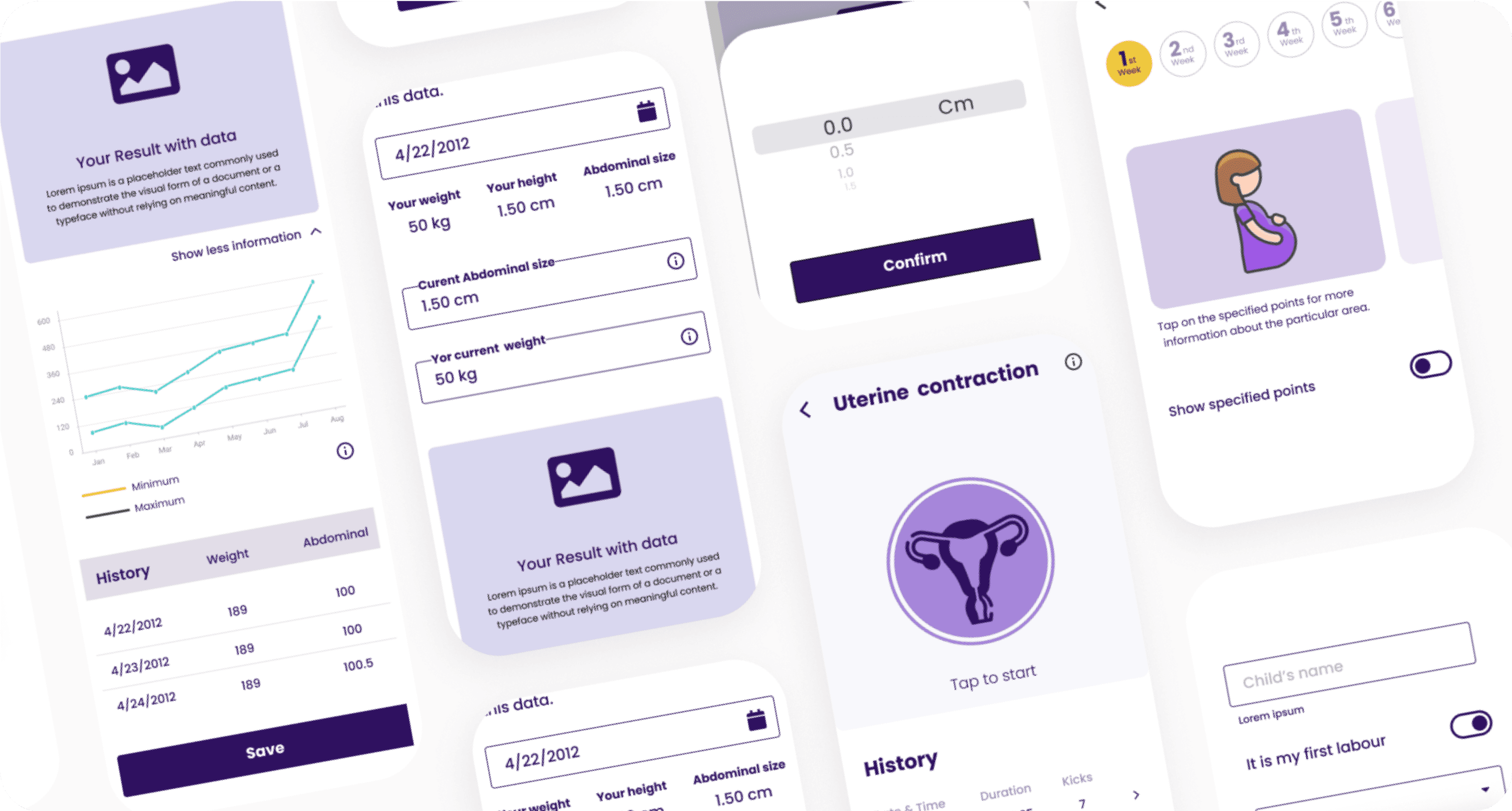
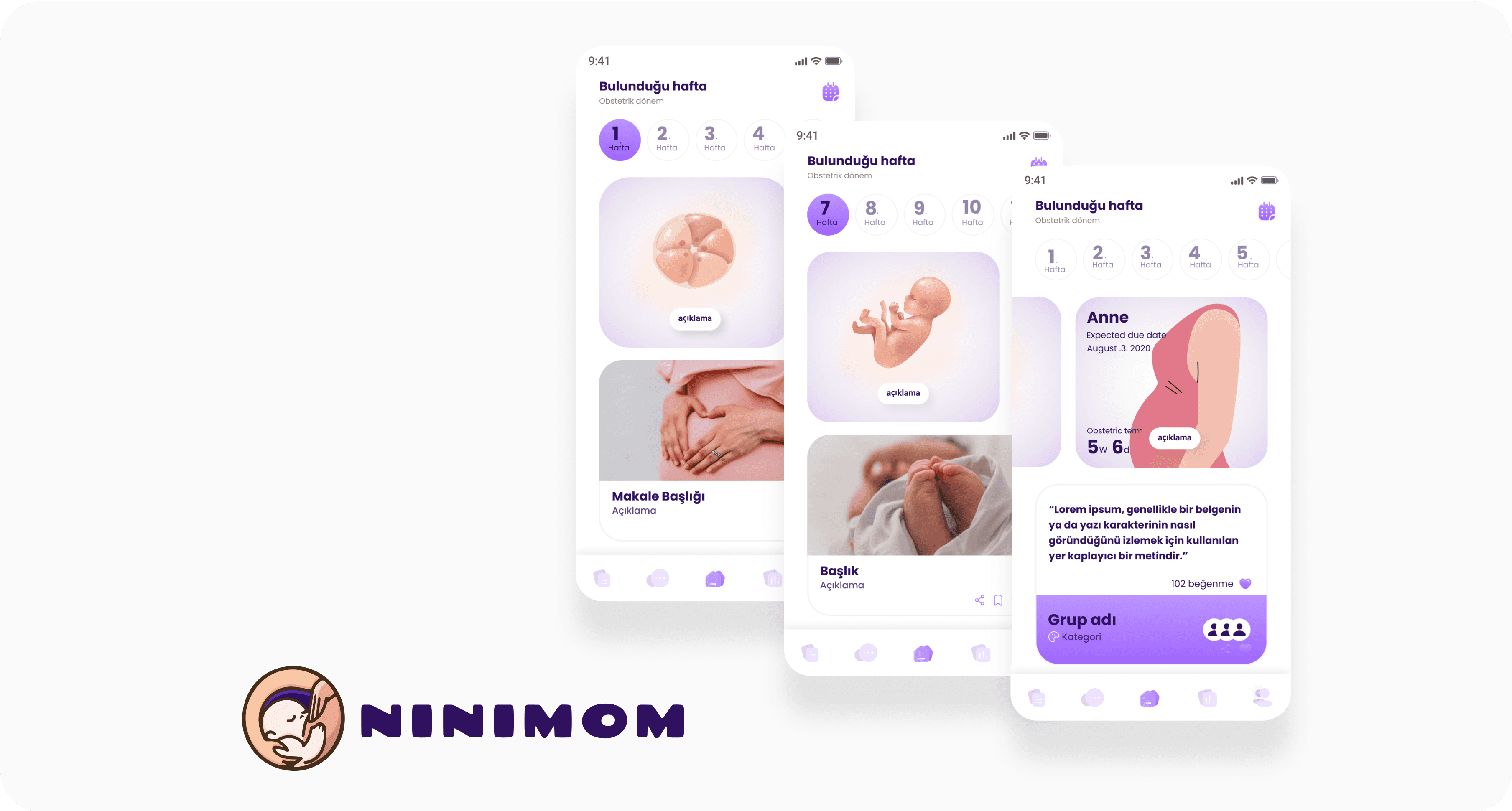
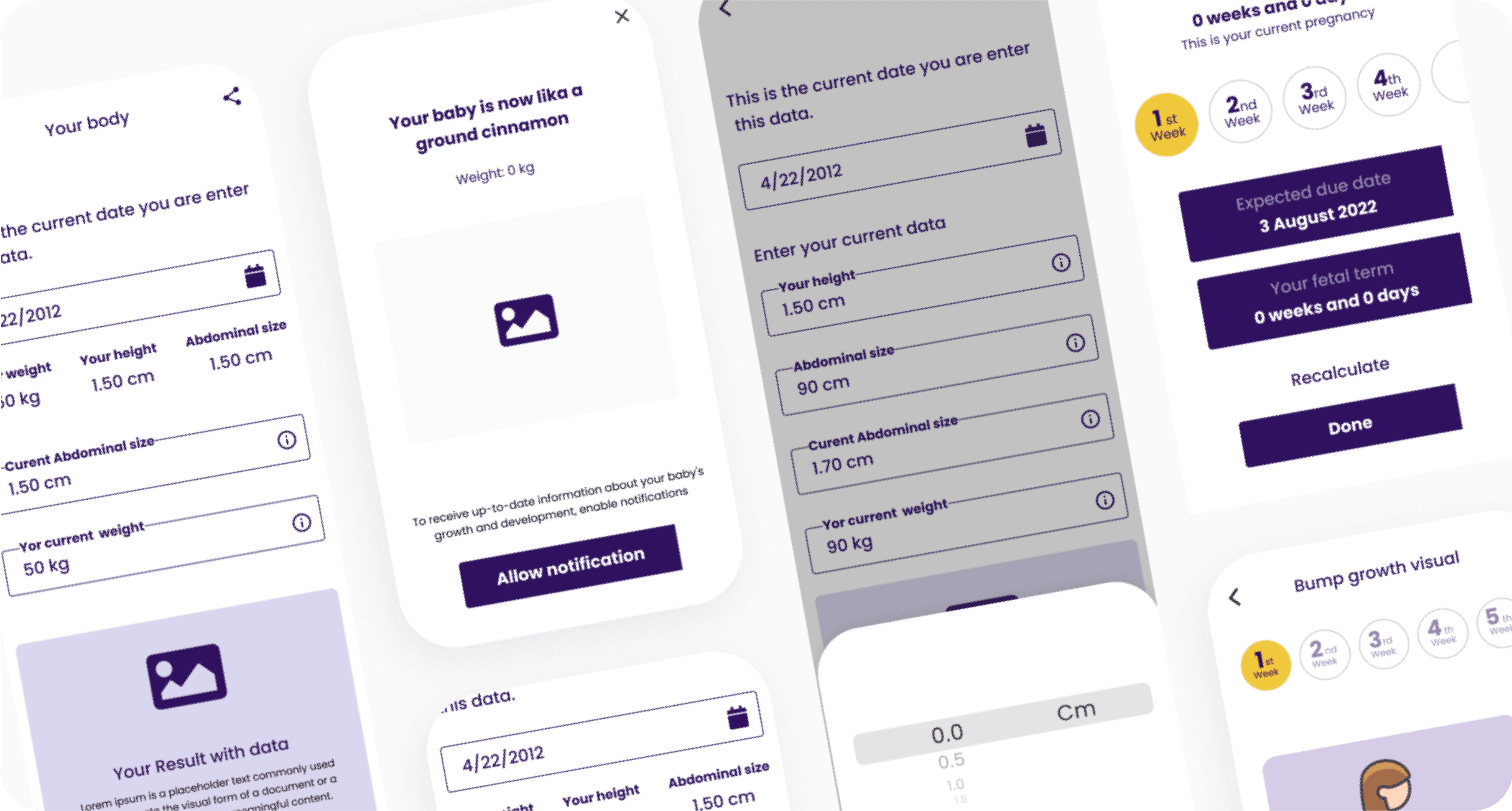
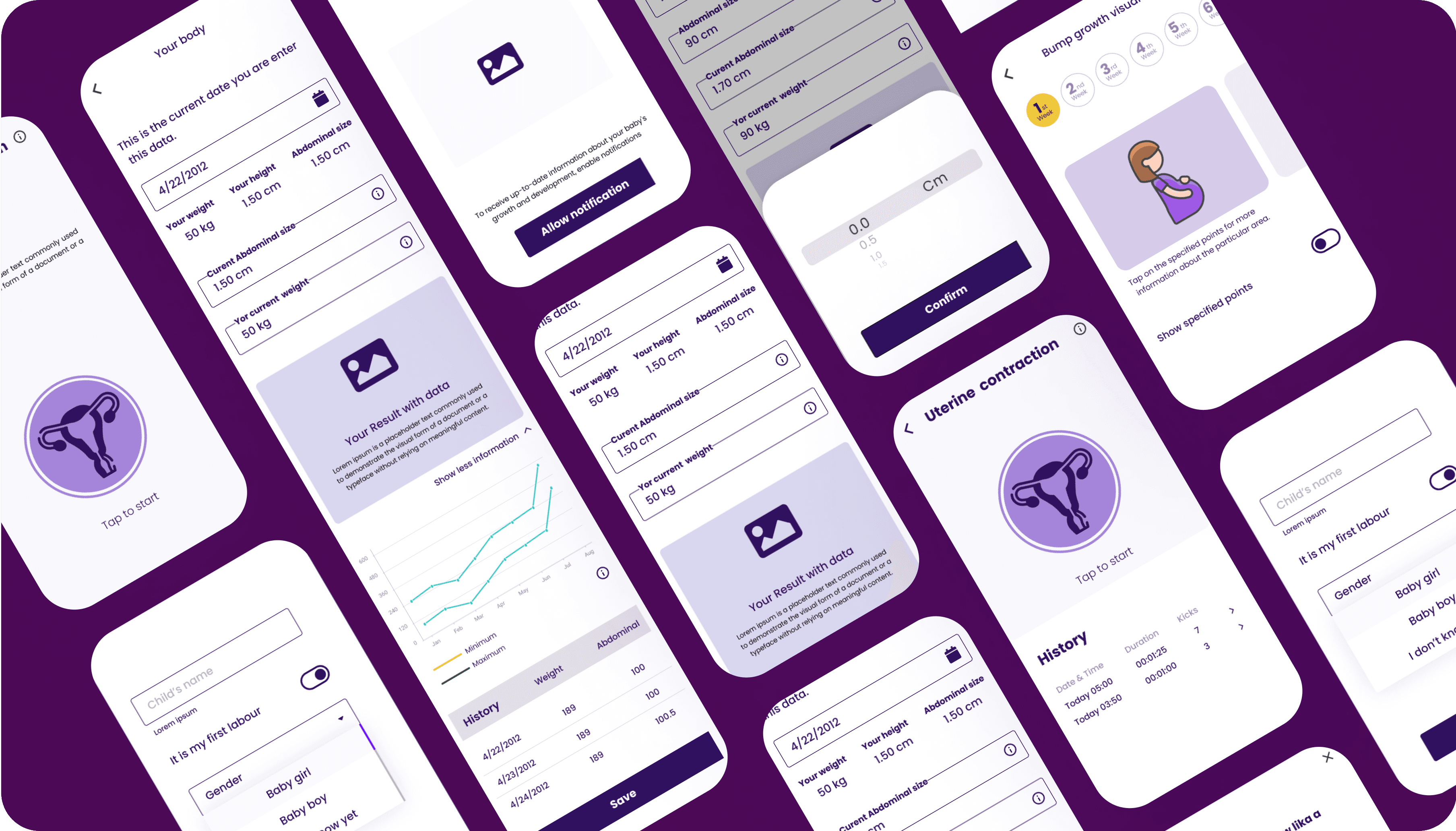
Ninnimom is a Turkish app that makes and improves the relationship between mother and child. The relationship between mother and child is an important subject all over the world. This is a sensitive and precise relationship, it is necessary to always take care of it carefully and patiently. In Ninnimom our goal is to improve this relationship. And makes mothers feel better while they are taking care of their kids. Also, we gather whole of the family together by Ninnimom.
My role
Designing Delight: Ninnimom's UI/UX
As the product designer, I was responsible for defining and refining the user experience and interface. My role encompassed a comprehensive understanding of the distinct needs of expectant mothers and caregivers, conducting exhaustive user research, and translating these insights into sophisticated design solutions. From meticulously crafting user personas to developing wireframes and high-fidelity interfaces, my collaboration with the development team ensured the precise implementation of the envisioned user experience. Furthermore, I spearheaded the assessment of project success, utilizing metrics and user feedback to inform iterative adjustments, thereby perpetually enhancing the overall user experience of the application.
Design Toolkit

In my web design journey, I've cultivated a systematic and strategic approach that revolves around innovation, user-centric design, and effective problem-solving. I believe in meticulous planning and execution, with a focus on creating visually captivating and highly functional websites.
Problem statement
Navigating the Challenges of Child Activity Management
Many mothers grapple with the complex task of organizing and planning their children's activities, leading to heightened stress and a sense of uncertainty. The lack of a centralized and efficient solution exacerbates these challenges, leaving mothers without a streamlined method to manage their child's schedule. As a result, there is a pressing need for a comprehensive platform that addresses these pain points, offering mothers a user-friendly and organized approach to parenting.
Impact and outcomes
Enhancing productivity and performance
To assess the impact of the latest enhancements, we monitored the following key performance indicators:
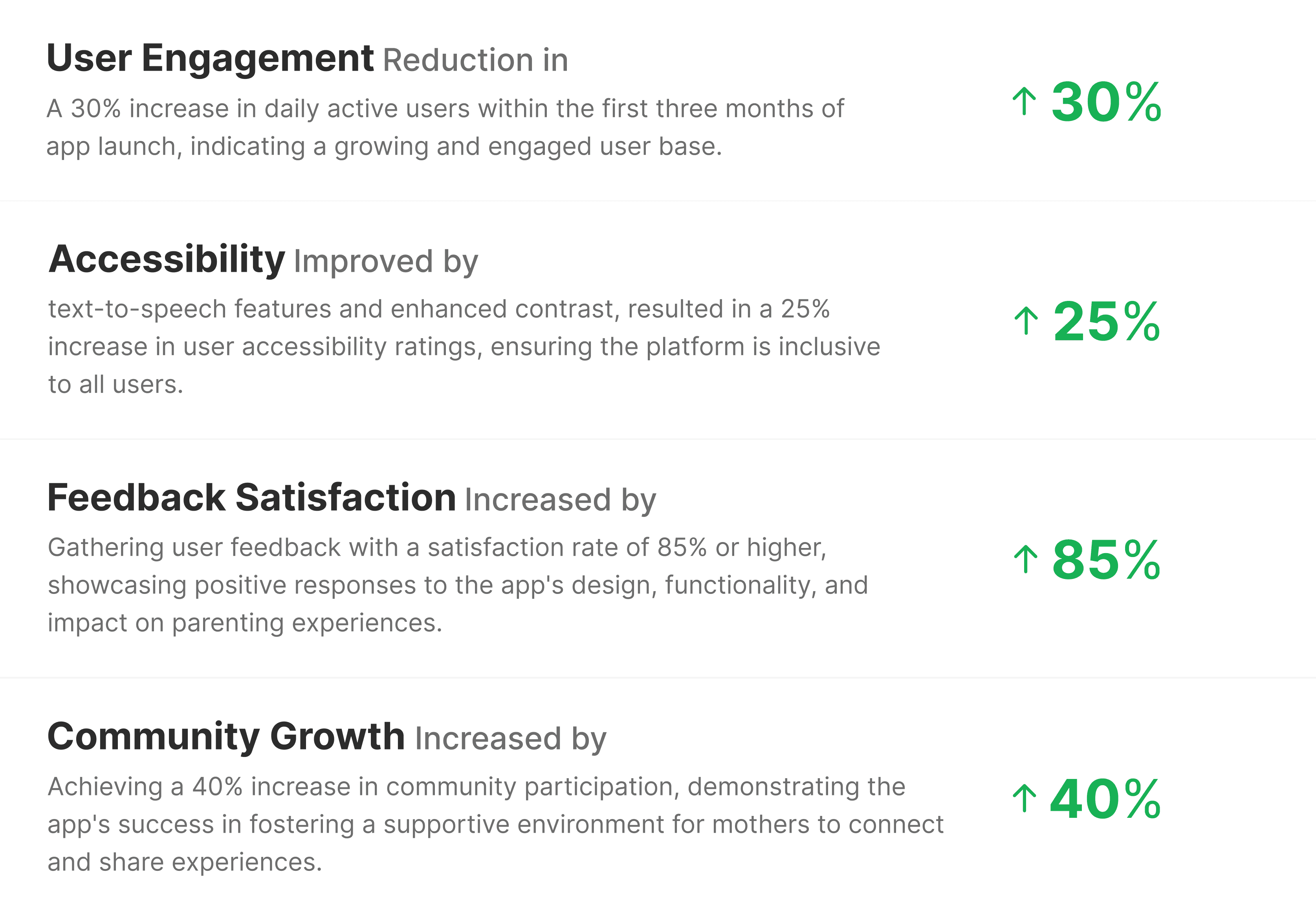
Ninnimom's focus on productivity and performance goes beyond mere organization; it creates an ecosystem where mothers can thrive in their parenting journey, fostering a harmonious and joyful environment for both mothers and their children.
Challenges and tradeoffs
Nurturing user familiarity
Developing Ninnimom, aimed at fostering mother-child bonds, involved significant challenges and tradeoffs:
1.Cultural Sensitivity: Balancing Turkish cultural norms with universal appeal was complex. Ensuring inclusivity without losing cultural authenticity required constant refinement and careful prioritization
2.UI Complexity vs. Intuitiveness: Providing a rich feature set while maintaining user-friendliness was challenging. Simplifying the interface for accessibility sometimes meant limiting advanced features
3.Privacy Concerns: Emphasizing family connectivity raised privacy issues. Stricter privacy measures occasionally restricted family interactions, requiring careful navigation between shared spaces and individual privacy.
4.Cross-Device Compatibility: Ensuring seamless functionality across devices and platforms demanded significant resources, sometimes delaying feature releases to maintain broad compatibility.
5.User Onboarding: Educating mothers on features without overwhelming them was crucial. Simplifying the onboarding process occasionally meant reducing educational content, necessitating a balance between simplicity and thorough guidance.
Design process
Crafting an intuitive learning journey

User personas
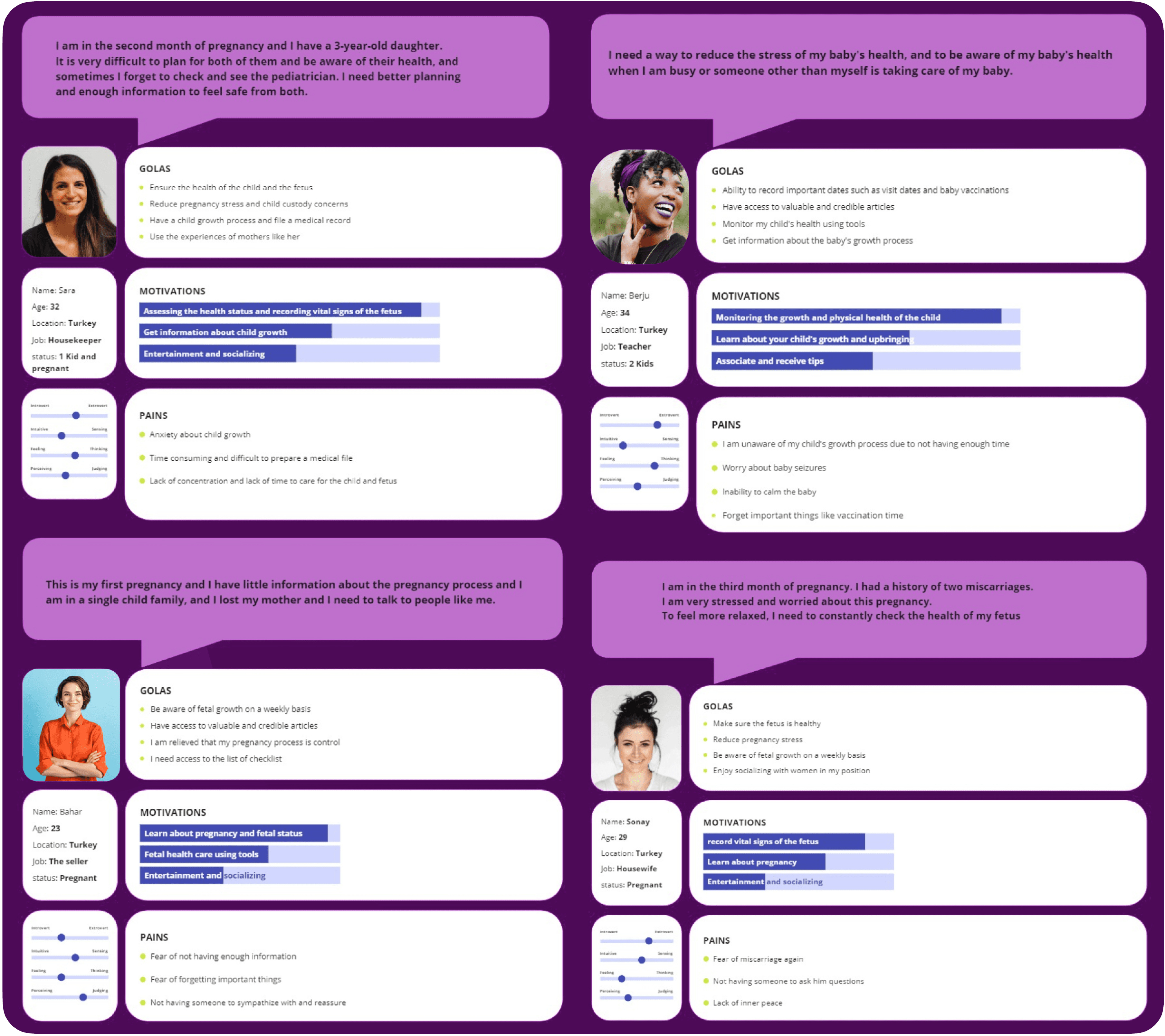
Based on our research, we developed detailed user personas to represent the diverse experiences and requirements of our target audience. These personas served as a compass throughout the design process, helping us keep the user at the center of our decisions.
User case scenarios
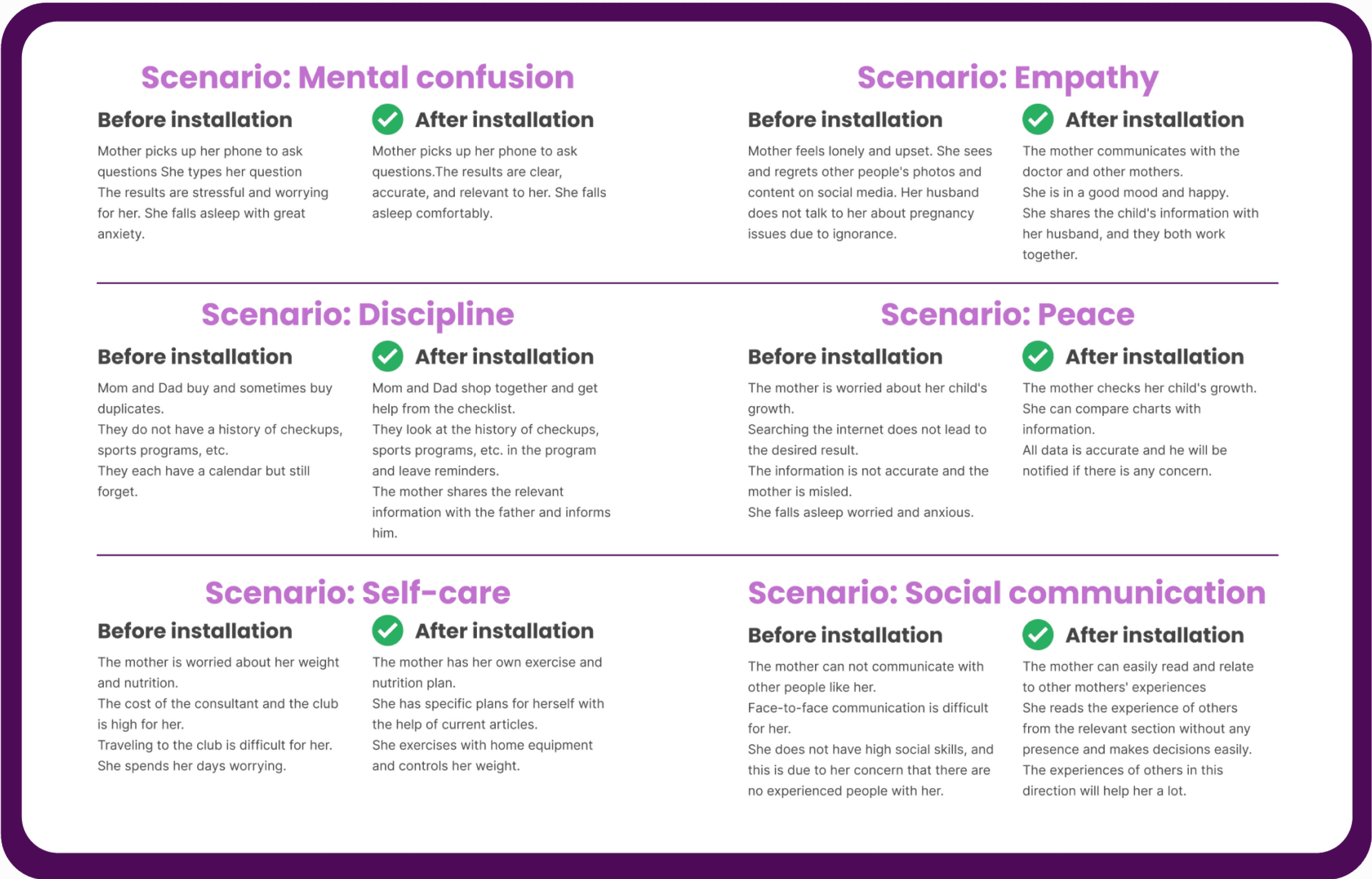
With a deep understanding of our users, we moved into the ideation phase. We brainstormed and created design concepts that would address the identified challenges.
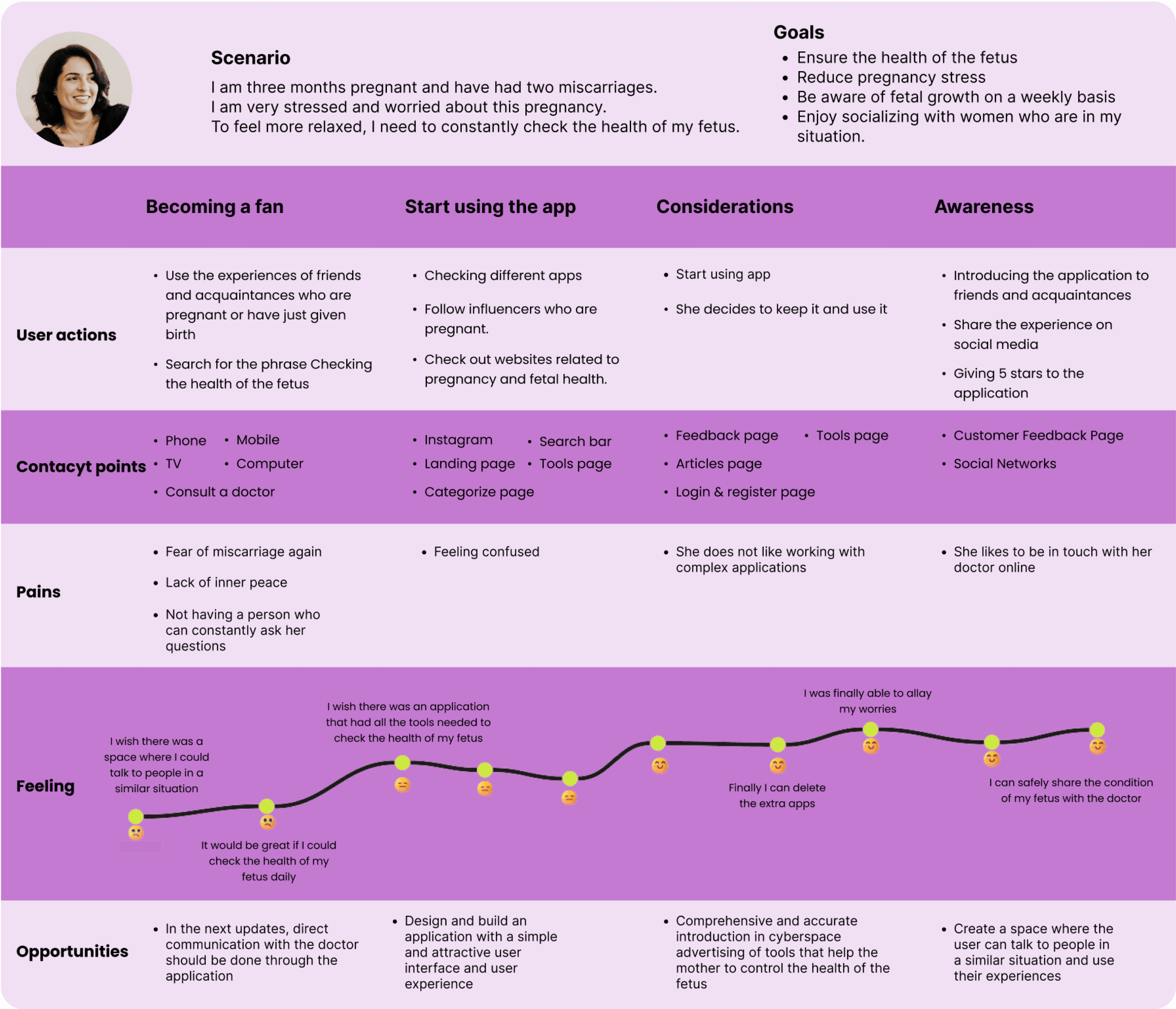
Journey Map
Based on our research, we developed detailed user personas to represent the diverse experiences and requirements of our target audience. These personas served as a compass throughout the design process, helping us keep the user at the center of our decisions.
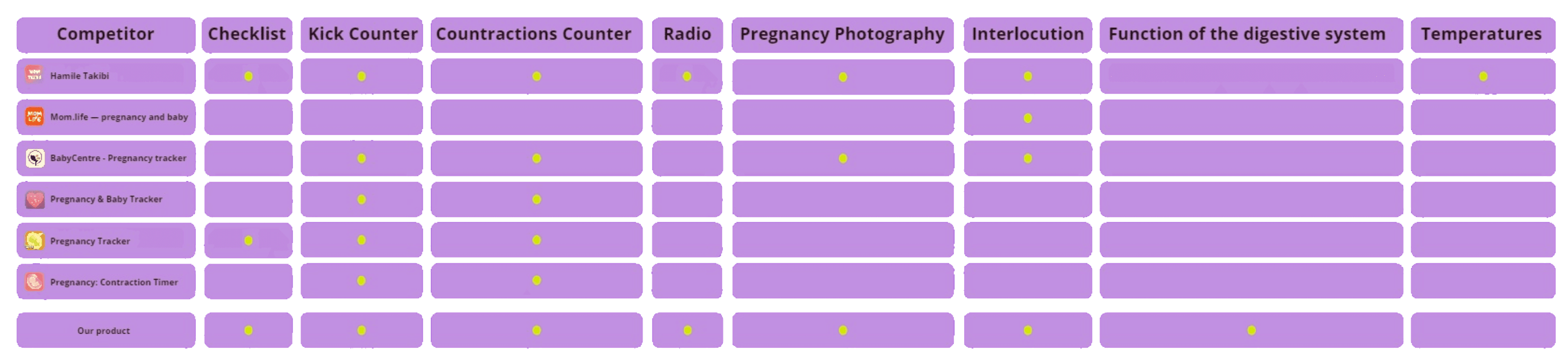
Competitor Analysis
Based on our research, we developed detailed user personas to represent the diverse experiences and requirements of our target audience. These personas served as a compass throughout the design process, helping us keep the user at the center of our decisions.
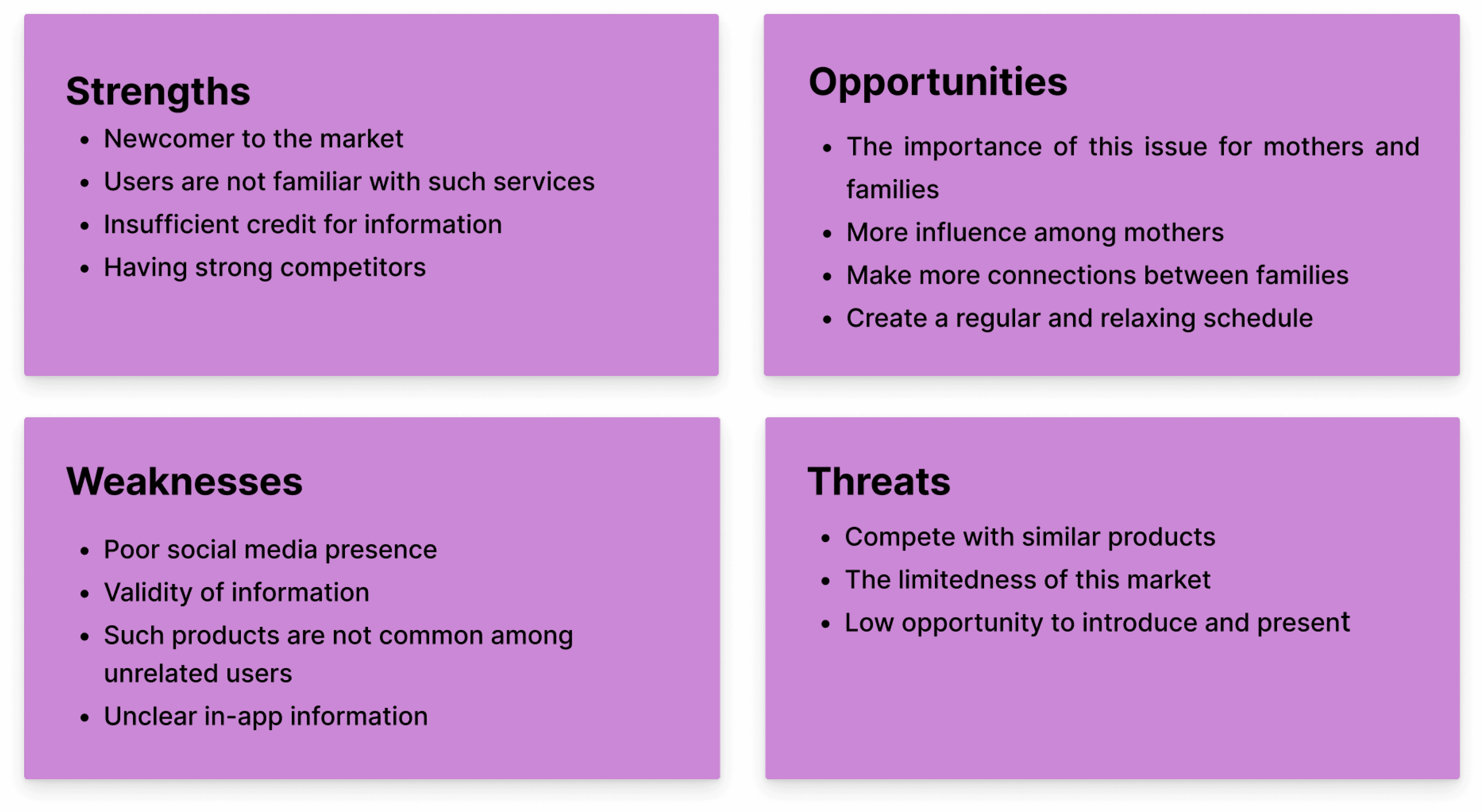
SOWT Method
The SWOT method provided a structured approach to analyzing the project by identifying its Strengths, Weaknesses, Opportunities, and Threats. This comprehensive analysis enabled a clear understanding of the current state and potential areas for improvement. By leveraging these insights, targeted strategies were developed to enhance outcomes and address any critical challenges.
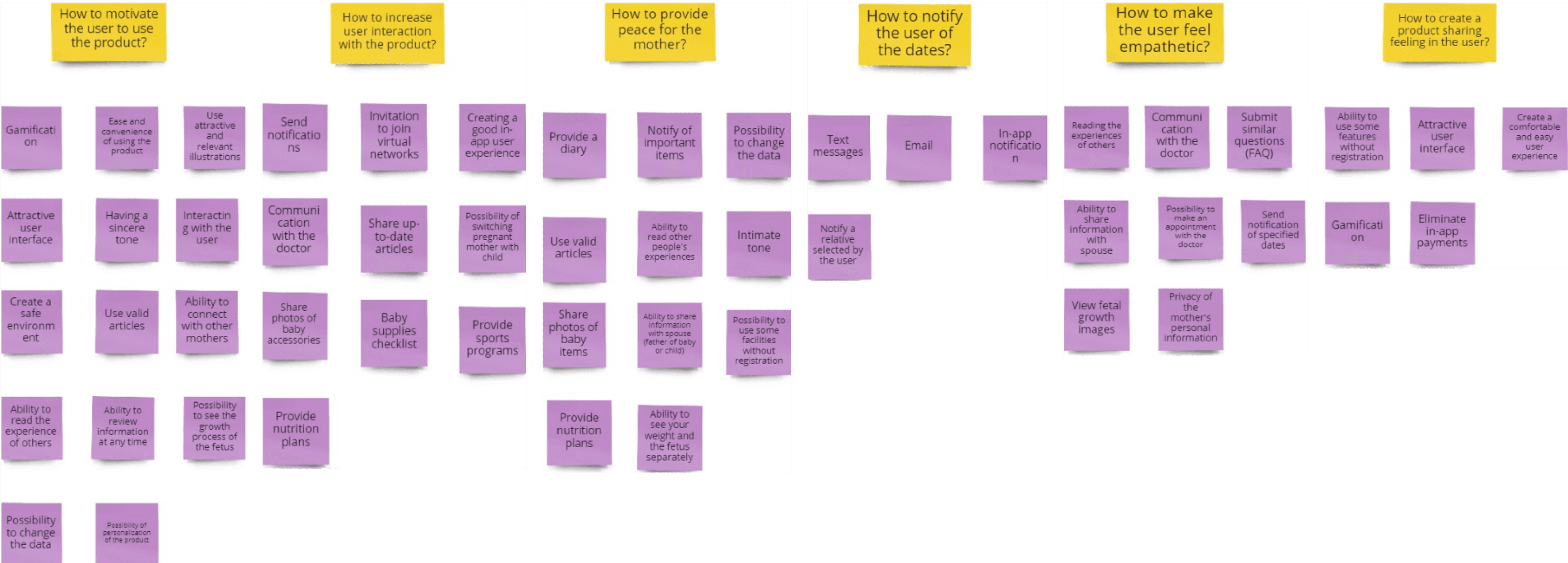
How Might We
We use the How Might We format because it suggests that a solution is possible and because they offer you the chance to answer them in a variety of ways.
Why - How ladder
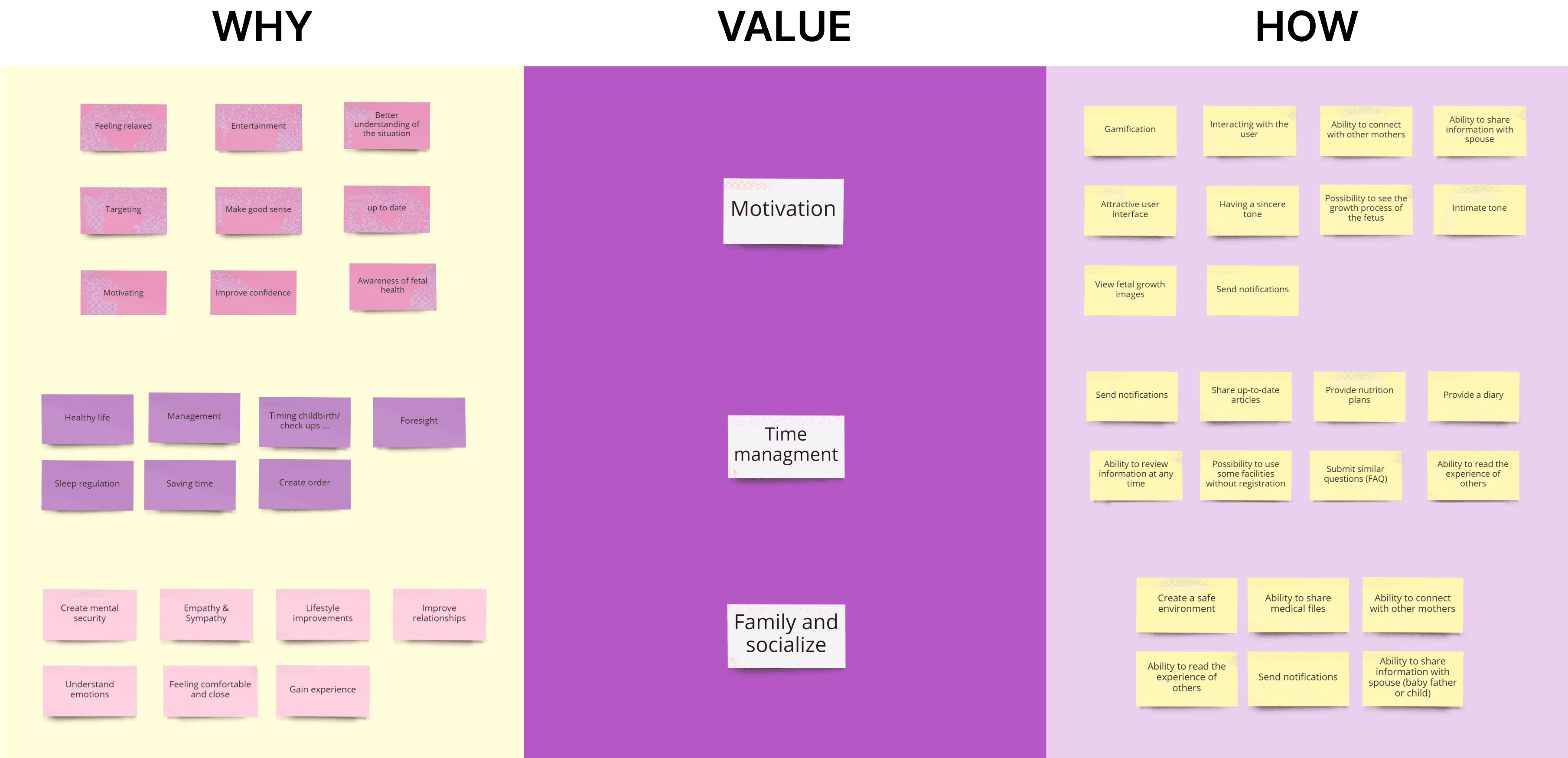
We use why-how laddering to flesh out varying user needs and find a middle ground that’s both meaningful and actionable.
Road Map
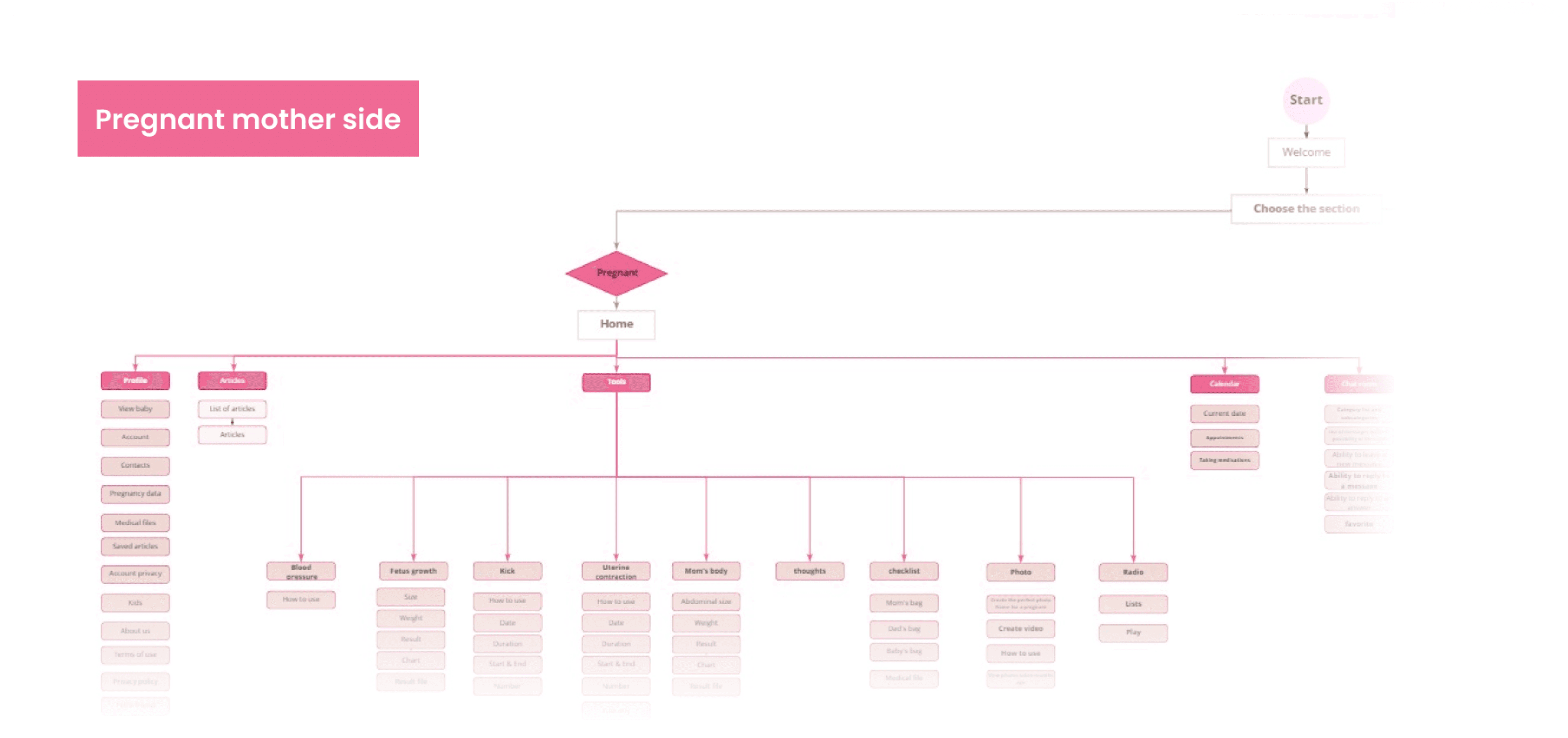
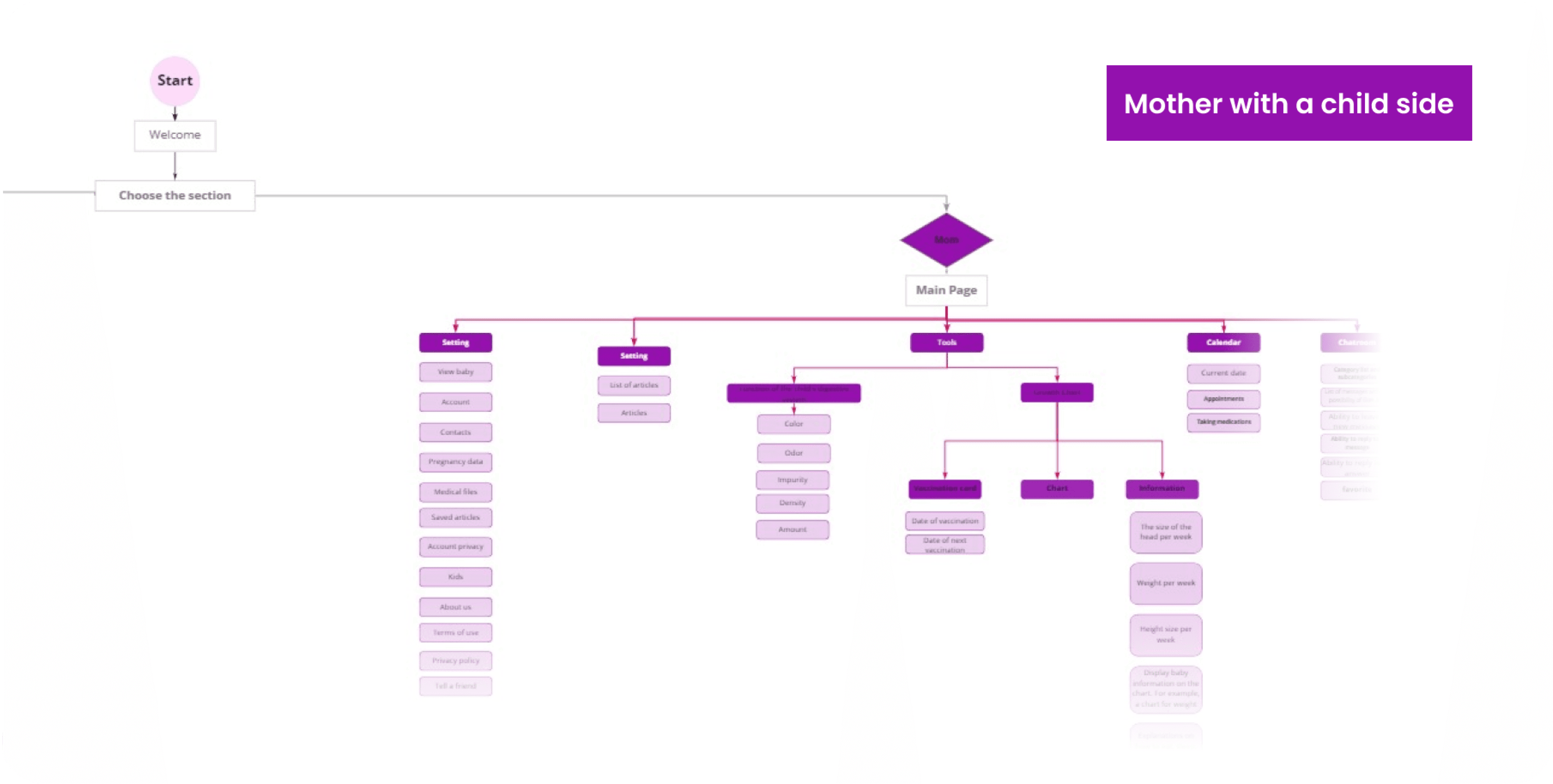
We had two distinct segments: one for pregnant mothers and another for mothers with children. Each segment specifically addressed the needs and challenges of its target group and provided appropriate solutions. This division allowed us to design and implement services and strategies more accurately and effectively.User Flow
The user flow was carefully designed to ensure a seamless and intuitive experience for both segments. For pregnant mothers, the flow included steps from initial health tracking to personalized tips and resources. For mothers with children, it encompassed milestones tracking, development tips, and community support features, ensuring both groups had a clear and supportive journey.
User Flow
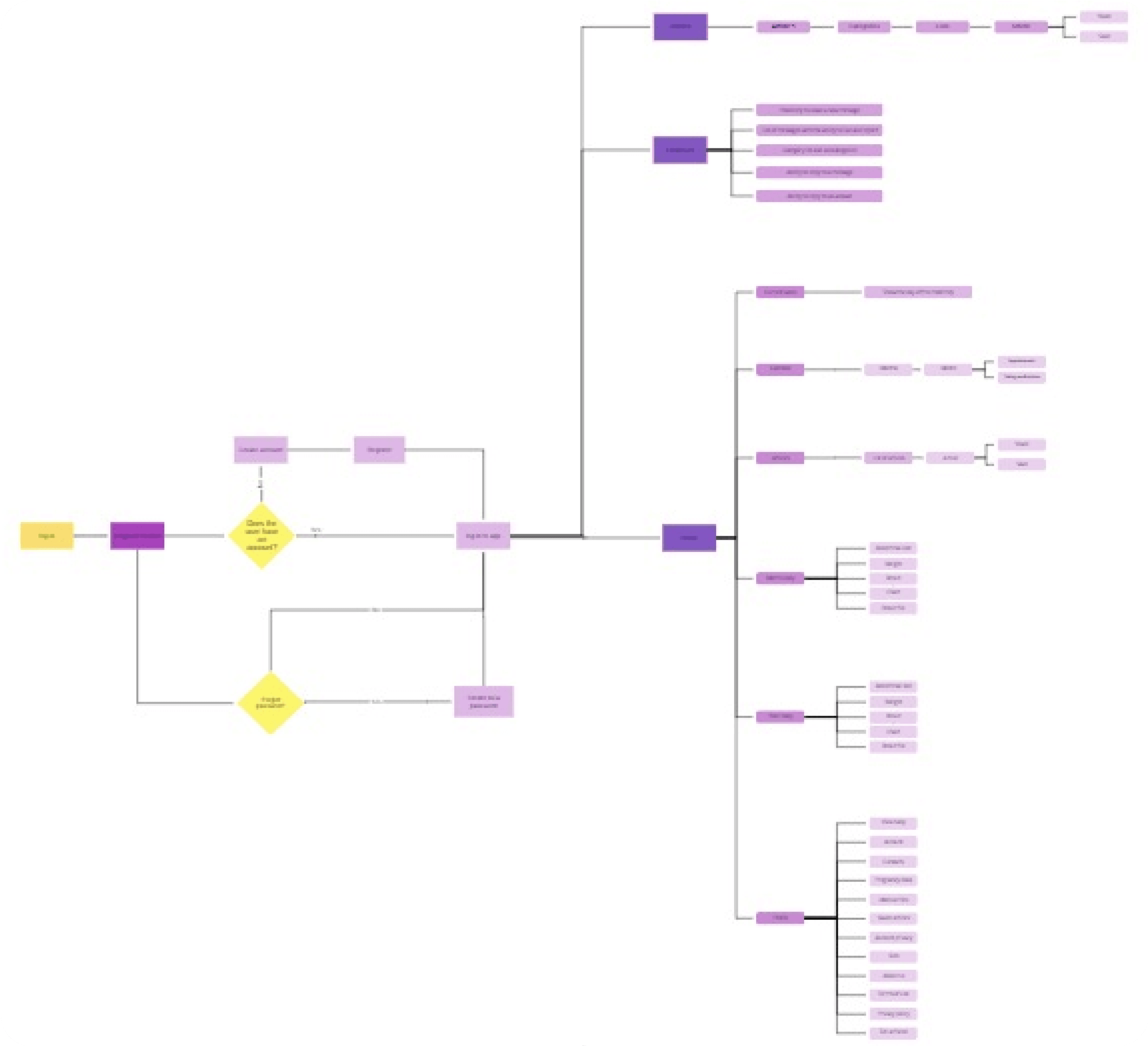
The user flow was carefully designed to ensure a seamless and intuitive experience for both segments. For pregnant mothers, the flow included steps from initial health tracking to personalized tips and resources. For mothers with children, it encompassed milestones tracking, development tips, and community support features, ensuring both groups had a clear and supportive journey.
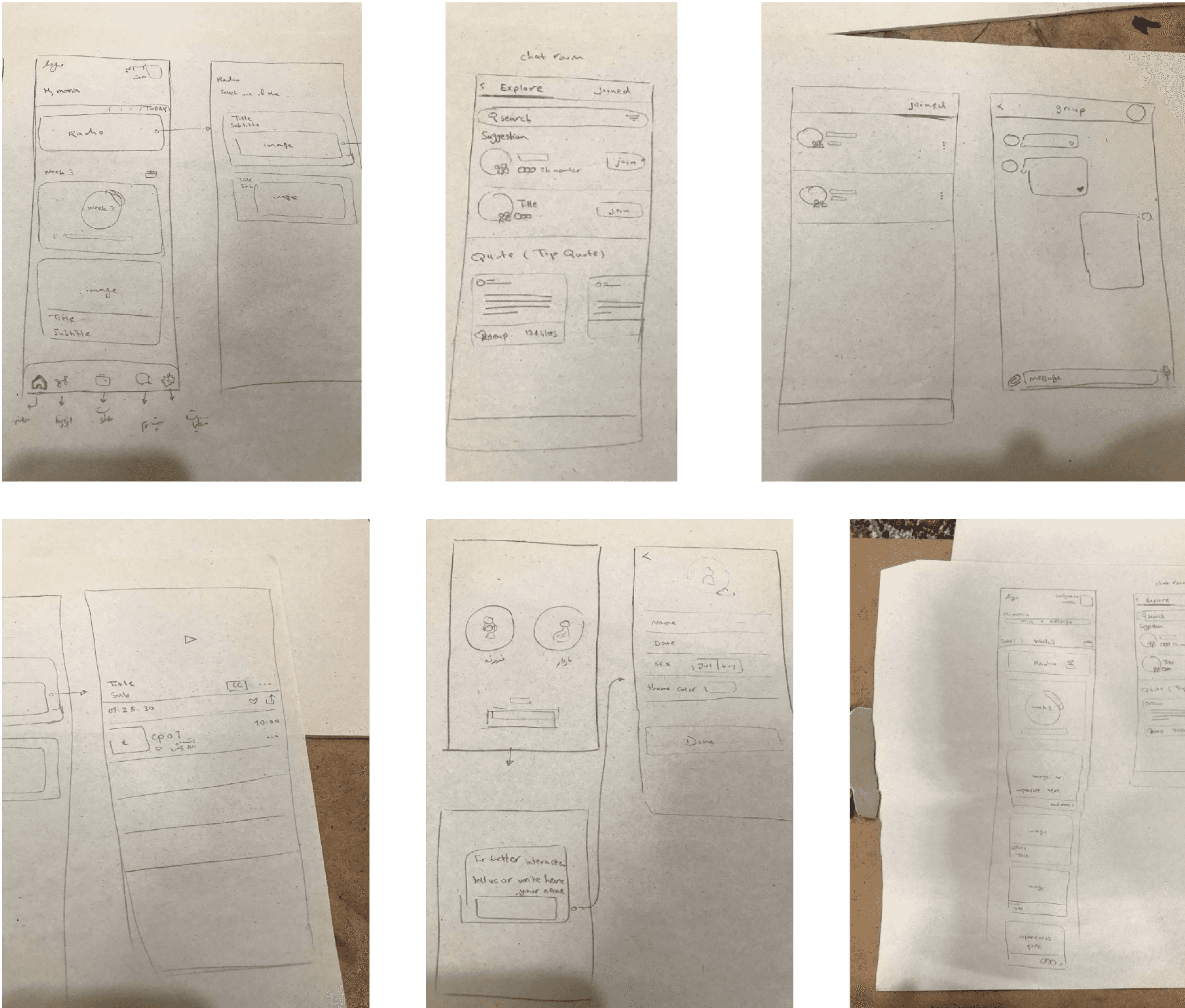
Sketchs
Hand sketches were instrumental in quickly visualizing layout concepts and interface elements, facilitating rapid ideation and iteration. These sketches served as a tangible reference during collaborative discussions and provided a solid foundation for transitioning to digital design tools.
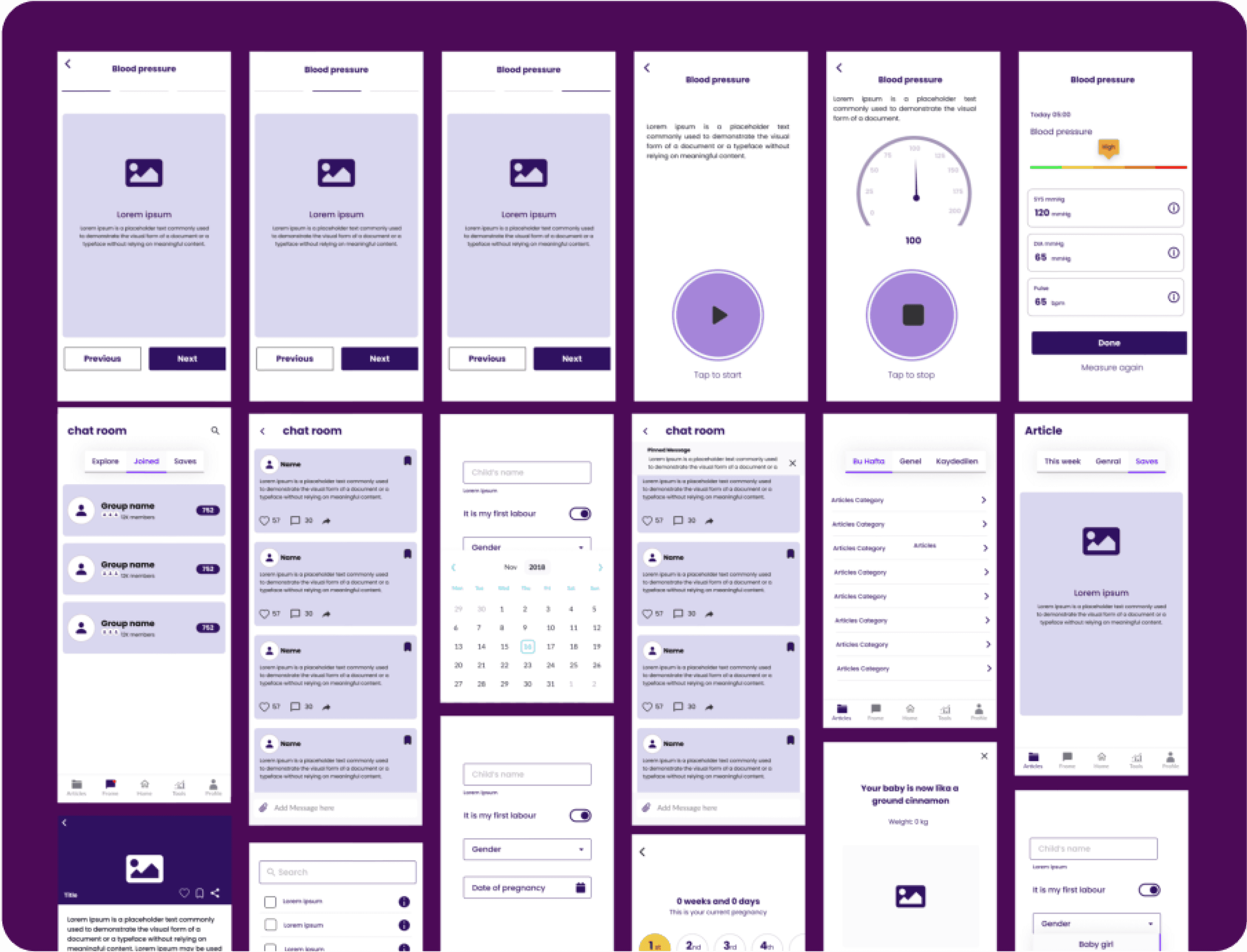
Wireframes
Hand-drawn wireframes provided a quick and flexible way to map out the basic structure and content placement of the interface. These sketches allowed for rapid iteration and exploration of different layout options before committing to digital wireframing tools, streamlining the design process and fostering creativity.
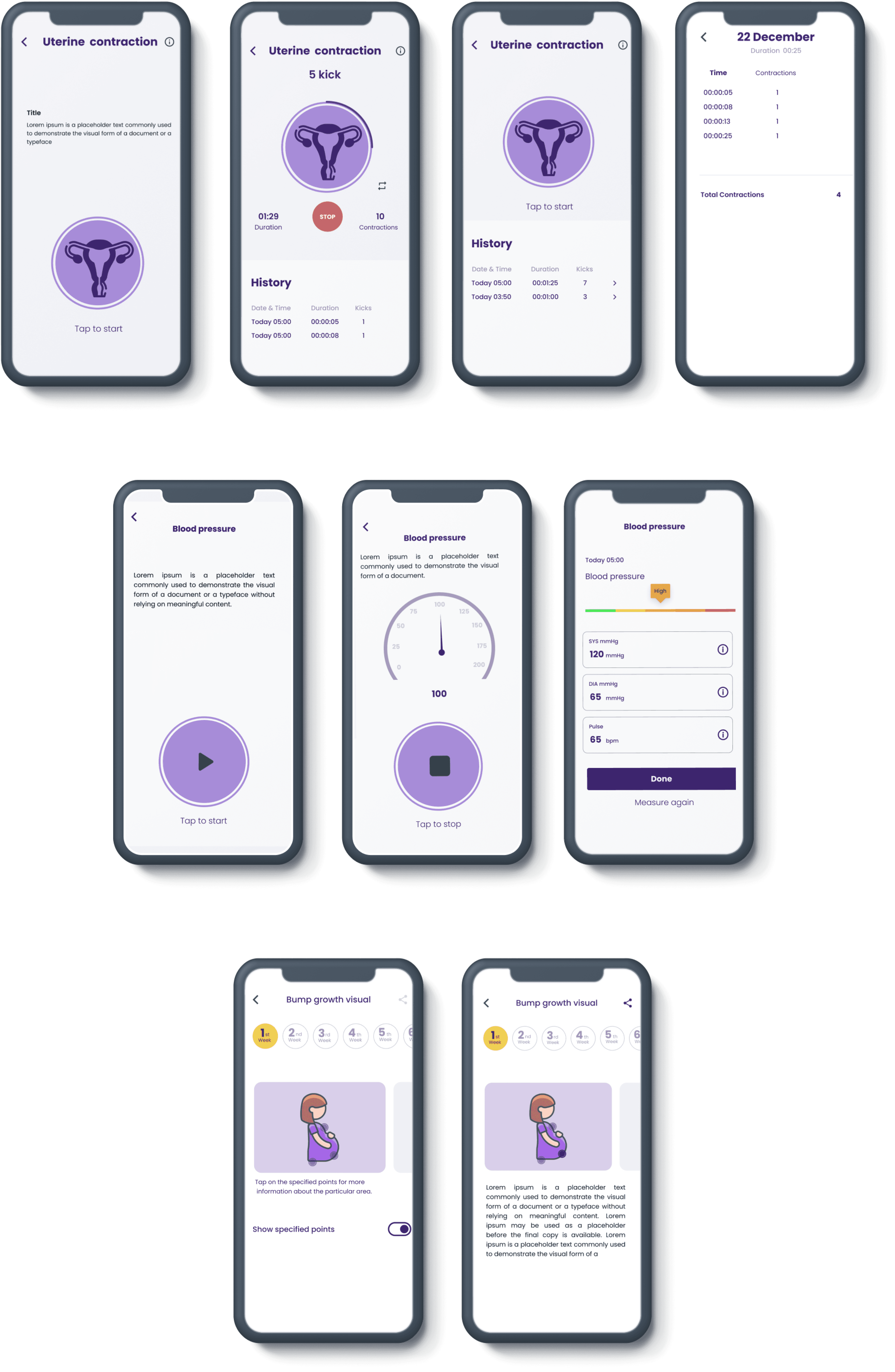
Prototype
Prototype provided an early-stage visual representation of interface interactions and user pathways, allowing for immediate feedback and refinement. These low-fidelity prototypes expedited the design process and fostered a deeper understanding of user needs before investing in more advanced prototyping tools.
Background & context
Enhancing parent-child relationships through innovative program design
Ninnimom is a Turkish app that makes and improves the relationship between mother and child. The relationship between mother and child is an important subject all over the world. This is a sensitive and precise relationship, it is necessary to always take care of it carefully and patiently. In Ninnimom our goal is to improve this relationship. And makes mothers feel better while they are taking care of their kids. Also, we gather whole of the family together by Ninnimom.
My role
Designing Delight: Ninnimom's UI/UX
As the product designer, I was responsible for defining and refining the user experience and interface. My role encompassed a comprehensive understanding of the distinct needs of expectant mothers and caregivers, conducting exhaustive user research, and translating these insights into sophisticated design solutions. From meticulously crafting user personas to developing wireframes and high-fidelity interfaces, my collaboration with the development team ensured the precise implementation of the envisioned user experience. Furthermore, I spearheaded the assessment of project success, utilizing metrics and user feedback to inform iterative adjustments, thereby perpetually enhancing the overall user experience of the application.
Design Toolkit
In my web design journey, I've cultivated a systematic and strategic approach that revolves around innovation, user-centric design, and effective problem-solving. I believe in meticulous planning and execution, with a focus on creating visually captivating and highly functional websites.
Problem statement
Navigating the Challenges of Child Activity Management
Many mothers grapple with the complex task of organizing and planning their children's activities, leading to heightened stress and a sense of uncertainty. The lack of a centralized and efficient solution exacerbates these challenges, leaving mothers without a streamlined method to manage their child's schedule. As a result, there is a pressing need for a comprehensive platform that addresses these pain points, offering mothers a user-friendly and organized approach to parenting.
Impact and outcomes
Enhancing productivity and performance
To assess the impact of the latest enhancements, we monitored the following key performance indicators:
Ninnimom's focus on productivity and performance goes beyond mere organization; it creates an ecosystem where mothers can thrive in their parenting journey, fostering a harmonious and joyful environment for both mothers and their children.
Challenges and tradeoffs
Nurturing user familiarity
Developing Ninnimom, aimed at fostering mother-child bonds, involved significant challenges and tradeoffs:
1.Cultural Sensitivity: Balancing Turkish cultural norms with universal appeal was complex. Ensuring inclusivity without losing cultural authenticity required constant refinement and careful prioritization
2.UI Complexity vs. Intuitiveness: Providing a rich feature set while maintaining user-friendliness was challenging. Simplifying the interface for accessibility sometimes meant limiting advanced features
3.Privacy Concerns: Emphasizing family connectivity raised privacy issues. Stricter privacy measures occasionally restricted family interactions, requiring careful navigation between shared spaces and individual privacy.
4.Cross-Device Compatibility: Ensuring seamless functionality across devices and platforms demanded significant resources, sometimes delaying feature releases to maintain broad compatibility.
5.User Onboarding: Educating mothers on features without overwhelming them was crucial. Simplifying the onboarding process occasionally meant reducing educational content, necessitating a balance between simplicity and thorough guidance.
Design process
Crafting an intuitive learning journey
User personas
Based on our research, we developed detailed user personas to represent the diverse experiences and requirements of our target audience. These personas served as a compass throughout the design process, helping us keep the user at the center of our decisions.
User case scenarios
With a deep understanding of our users, we moved into the ideation phase. We brainstormed and created design concepts that would address the identified challenges.
Journey Map
Based on our research, we developed detailed user personas to represent the diverse experiences and requirements of our target audience. These personas served as a compass throughout the design process, helping us keep the user at the center of our decisions.
Competitor Analysis
Based on our research, we developed detailed user personas to represent the diverse experiences and requirements of our target audience. These personas served as a compass throughout the design process, helping us keep the user at the center of our decisions.
SOWT Method
The SWOT method provided a structured approach to analyzing the project by identifying its Strengths, Weaknesses, Opportunities, and Threats. This comprehensive analysis enabled a clear understanding of the current state and potential areas for improvement. By leveraging these insights, targeted strategies were developed to enhance outcomes and address any critical challenges.
How Might We
We use the How Might We format because it suggests that a solution is possible and because they offer you the chance to answer them in a variety of ways.
Why - How ladder
We use why-how laddering to flesh out varying user needs and find a middle ground that’s both meaningful and actionable.
Road Map
We had two distinct segments: one for pregnant mothers and another for mothers with children. Each segment specifically addressed the needs and challenges of its target group and provided appropriate solutions. This division allowed us to design and implement services and strategies more accurately and effectively.User Flow
The user flow was carefully designed to ensure a seamless and intuitive experience for both segments. For pregnant mothers, the flow included steps from initial health tracking to personalized tips and resources. For mothers with children, it encompassed milestones tracking, development tips, and community support features, ensuring both groups had a clear and supportive journey.
User Flow
The user flow was carefully designed to ensure a seamless and intuitive experience for both segments. For pregnant mothers, the flow included steps from initial health tracking to personalized tips and resources. For mothers with children, it encompassed milestones tracking, development tips, and community support features, ensuring both groups had a clear and supportive journey.
Sketchs
Hand sketches were instrumental in quickly visualizing layout concepts and interface elements, facilitating rapid ideation and iteration. These sketches served as a tangible reference during collaborative discussions and provided a solid foundation for transitioning to digital design tools.
Wireframes
Hand-drawn wireframes provided a quick and flexible way to map out the basic structure and content placement of the interface. These sketches allowed for rapid iteration and exploration of different layout options before committing to digital wireframing tools, streamlining the design process and fostering creativity.
Prototype
Prototype provided an early-stage visual representation of interface interactions and user pathways, allowing for immediate feedback and refinement. These low-fidelity prototypes expedited the design process and fostered a deeper understanding of user needs before investing in more advanced prototyping tools.